
Key Takeaways
- Changes in eating habits, hygiene, or household upkeep can signal a need for support.
- Physical concerns like frequent falls or missed medications are worth taking seriously.
- Emotional withdrawal and low mood can be easy to miss but are just as important.
- Memory changes may point toward the need for memory care or assisted living.
- Starting an honest, compassionate conversation opens the door to real solutions.
Recognizing When a Loved One Might Need More Support
Watching someone you love struggle with daily tasks can be one of the hardest things to sit with. You might notice small changes at first, things that are easy to brush off or explain away. But those small changes can quietly add up over time.
Knowing the early signs that a loved one may need daily assistance can help you act sooner, with more confidence and less guesswork. The good news is there are caring, supportive options that can genuinely improve your loved one’s quality of life. From personalized care services and amenities to warm community spaces, there’s real help available through lifestyles like assisted living when you’re ready to explore it.
Changes in Daily Habits Worth Paying Attention To
Some of the earliest signs show up in the routines your loved one follows every day. These are the things that used to happen without a second thought, and now they’re slipping through the cracks. It’s worth pausing and looking a little closer when you notice them.
Here are a few habits that may signal a need for more support:
- Skipping meals, noticeable weight loss, or forgetting to eat regularly
- Wearing the same clothes for days or neglecting personal hygiene
- Unpaid bills piling up or household chores going untouched for long stretches
None of these things mean something is wrong on their own. But when you’re seeing several of them together, or noticing they’re becoming more frequent, it’s a sign your loved one may benefit from some extra help around the home.
Physical and Mobility Red Flags
Falls and Movement Concerns
If your loved one has unexplained bruises or seems to be having more close calls than usual, that’s something to take note of. Hesitation when getting up from a chair or walking across a room can point to balance or strength changes that put them at risk. These aren’t things to wait on. Learning more about ways to help seniors improve their balance can be a helpful first step.
A supportive senior living community built with safety in mind is designed with accessibility at its core, helping residents move through their day with more ease. The right environment can make a meaningful difference in how your loved one feels day to day.
Medication and Health Routines
Missed medication doses or refills left sitting unfilled are common early signs that managing health routines is becoming overwhelming. If your loved one seems confused about which medications to take or when to take them, that adds another layer of concern. These gaps can affect overall health in ways that are hard to see right away.
In an assisted living setting, trained staff can help residents stay on track with their health routines in a calm, consistent way, taking that weight off both your loved one and you.
Emotional and Social Shifts to Watch For
It’s not always the physical changes that stand out first. Sometimes, it’s a quieter shift, like your loved one stopping activities they used to love or slowly pulling away from friends and family. Increased anxiety, irritability, or a low mood that lingers are also worth noticing.
Spending most days alone can take a real toll over time. Social isolation tends to deepen health risks when someone doesn’t have easy access to connection or engaging activities. A warm, active community can help bring some of that light back into your loved one’s daily life.
Memory and Cognitive Changes That Signal More Support
Everyday Forgetfulness vs. Something More
Everyone forgets things from time to time. But when your loved one is consistently missing appointments, repeating the same questions within a short period, or showing confusion about familiar people and places, those patterns deserve attention. These signs can point to something that goes beyond ordinary forgetfulness. The difference between age-related forgetfulness and dementia isn’t always obvious, but it’s worth understanding.
It’s always a good idea to speak with a healthcare provider when you notice these changes. At the same time, exploring memory care options sooner rather than later gives your family more time to make a thoughtful decision.

When Memory Care or Assisted Living May Help
Structured daily routines can bring a real sense of comfort and calm to someone experiencing cognitive changes. Memory care programs are designed to offer that consistency, along with compassionate support that keeps residents safe and engaged. Exploring memory care activities can give you a better picture of what that day-to-day engagement looks like.
Assisted living can also be a meaningful option for loved ones who need help with daily tasks but still want to live with a sense of independence and purpose.
What to Do When You Notice These Signs
Start the Conversation with Your Loved One
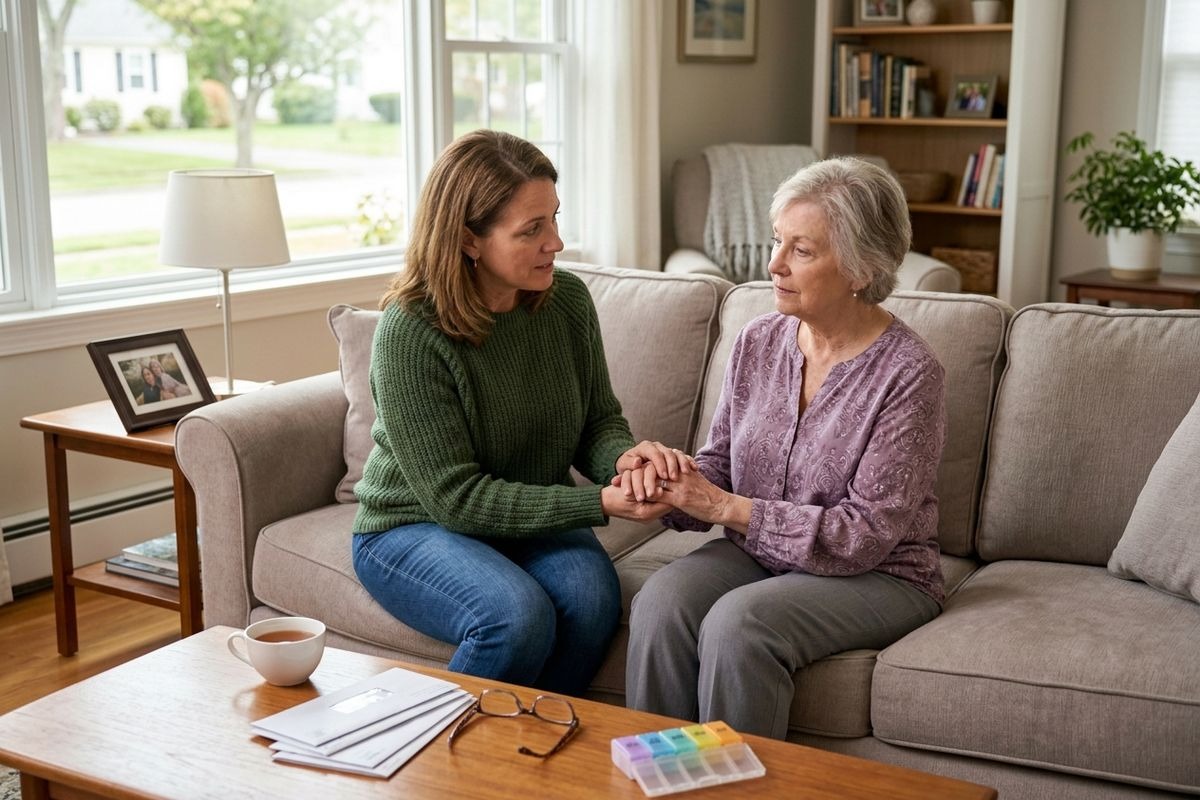
Bringing up the idea of extra support can feel delicate. Approaching the conversation with empathy rather than urgency helps your loved one feel heard, not pressured. Focus on the specific changes you’ve noticed rather than making broad statements about what they can or can’t do. These tips for talking to your loved one about senior living can help you navigate that conversation with care.
This kind of conversation, when handled gently, can actually bring families closer together and open up a path forward that everyone feels good about.
Explore Senior Living Options Together
At All American Assisted Living at Wareham, there are several levels of care to explore together, including assisted living, memory care, and respite care. Touring our community can help your family picture what daily life with the right support actually looks like. Independence is always encouraged here, and the right fit can help your loved one truly thrive.
Contact us to schedule your visit today.